-5°


 27 March 2020
Grímsey island
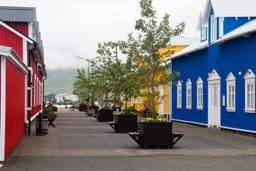
Grímsey is located about 40 km off the North coast of Iceland and is cut right across the middle by the Arctic Circle. It is the northernmost inhabited part of Iceland (the island of Kolbeinsey is even further north but uninhabited).
Situated north of Akureyri and Húsavìk, the nearest landmass is the tiny island of Flatey 40 km to the south. Only about sixty people live in Grímsey (58 registered residents as of 1 January 2025), where the main industry is, of course, fishing.
This small island in Eyjafjarðarsýsýsla County is a huge diamond-shaped splash of green in the ocean about 4 km long and 2 km wide for a total of about 5.3 km². Tourists are few and far between as few tour operators include it on their trips, as it's quite hard to get to.
How to get to Grimsey
Grímsey is only accessible by plane from Akureyri, and there are only two to three flights a week depending on the season (Tuesdays and Sundays in summer, plus Fridays from September), while boat transfers ship out three to five times a week depending on the season (three times a week from October 1st to May 14th, five times a week from June to August) from Dalvìk. The nautical route is always scenic, but this one is quite long, about 3 hours, so plan a full day to visit Grímsey and obtain your "Arctic Circle Crossing Certificate" issued on site.
Ferry times vary with the season: from October 1st to May 14th, the ferry departs Dalvík at 9:15 am to arrive at 12:15 pm, and the return leaves Grímsey at 2:15 pm to arrive back in Dalvík around 5:15 pm, leaving only about 2 hours on site. In summer, the return leaves between 2 pm and 5 pm depending on the day (arriving back in Dalvík between 5 pm and 8 pm), so you only get up to 4 hours on the island on certain days. The Dalvík-Grímsey ferry costs 8,800 ISK per adult (about 60 euros) for the round trip.
What is there to do in Grimsey?

Grimsey: laurentpele @fotolia
The island has some impressive terrain despite its small size, especially on the East coast where the cliffs rise 105 meters from the waterline and are inhabited by countless bird colonies.
In fact, nearly 60 species are known to nest and circulate along the cliffs of Grímsey: this is in fact one of the main attractions of the island. The wildlife that attracts the odd adventurous photographer includes guillemots, puffins, fulmars, penguins, and seagulls, in addition to the local seals. So far from the larger human centers, it is amazing to see how fearless these birds are.
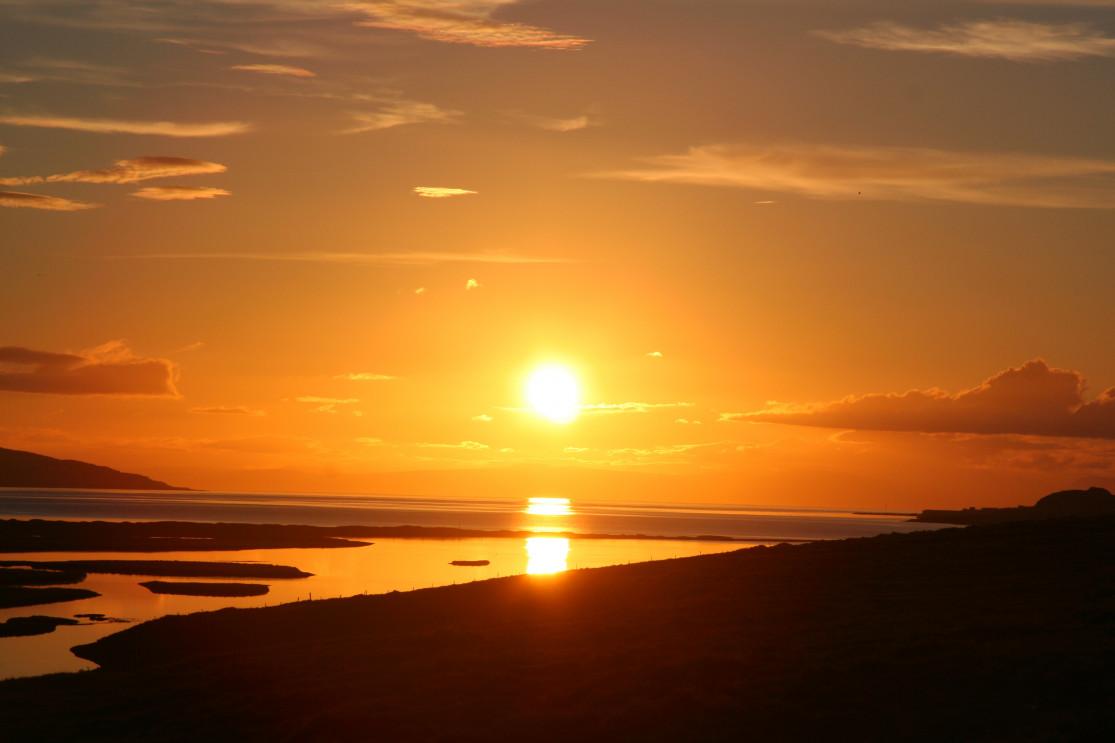
Photo lovers will also appreciate the geology of the island. Grímsey is made up of volcanic rock that rises in beautiful basaltic organs in some places. While most tourists come primarily for the pleasure of crossing the abstract line of the Arctic Circle, the island is also well known for watching the midnight sun.
Around June 21st Grímsey is one of the best places to observe the sun skipping spectacularly off the horizon. If you plan to sleep on site, there is a (rather expensive) campsite slightly sheltered from the wind by the school right next door, otherwise you can inquire with local guesthouses.
There is a fun little hiking trail on the island that starts at the end of the airstrip. The trail runs along the cliffs of Básavík.
From here, the trail leads to the northernmost part of the island, Eyjarfót, and then to the easternmost cliffs. The path continues to the Grenivíkurvita lighthouse at the southern tip of the island.
From the lighthouse, walk to the port in Sanvík past the Miðgarðakirkja Church.

Follow us