4°


 06 September 2019
The Strandir Coast

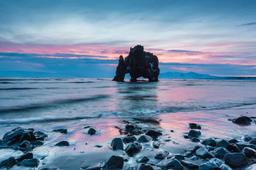
The Strandir coast is among the wildest parts of the Westfjörds along with Hornstrandir. From Hólmavík to Krossnes, the population seems to have completely deserted the region, and few tourists come to venture on the dirt road along this coast.
Driftwood from Siberia washes up on the beaches along Route 643, only adding to the mystical charm of this desert region.
Getting to the Strandir coast
Hólmavík is about 230 km (around 3 hours) from Reykjavík on paved roads: Route 1, then Routes 60 and 61. Route 643 (Strandavegur) begins north of Hólmavík. It is gravel, narrow and slow, and it gets worse north of Djúpavík. Route 645 is a side loop to Drangsnes that rejoins 643 further north.
- Vehicle: no F-roads are involved, and a regular car can manage the road in dry summer conditions if driven carefully. A higher-clearance vehicle is more comfortable because of the potholes.
- Time: allow at least half a day from Hólmavík to reach Krossneslaug, and two days or more to enjoy the coast.
- Fuel: fill up in Hólmavík. There is a small pump at Norðurfjörður, but do not count on it.
- Season: the full coast is only practical from June to early September. In winter, Route 643 north of Bjarnarfjörður has no regular snow clearing and is usually closed for months. Hólmavík and Drangsnes are reachable year round. Check road.is before setting out, whatever the season.
The Strandir: a magic region...

This particular coast is also one of Iceland's most well-known regions for a peculiar aspect of history: witchcraft. Local lore includes a number of stories set in this region, some of the more fantastical tales of magic and sorcerers.
Even today, along the road, you may find symbols of witchcraft. In Hólmavík, for example, there is the Museum of Witchcraft, where two big crows greet tourists at the entrance to the exhibit, like a warning of the danger lurking within.
The museum is small but fascinating, including scrolls and stories from the past, magical objects used by sorcerers, and more than a few surprises…
A place of peace and quiet
Hólmavík and Drangsnes are the two major coastal villages of this area, with the Steingrimsfjördur Fjord between them. Drangsnes is known for its 40° hotpot overlooking the sea and the island of Grimsey.
You can reach the island in just 10 minutes by boat from Drangsnes (summer only, from June to August) and admire the incredible avifauna living there: puffins, black murres, fulmars, and Arctic terns make up the community of approximately 75,000 birds on the island. Keep your cameras at the ready!
The hot tubs of Drangsnes, set into the sea wall across the road from the village, are free to use. Further north, in Bjarnarfjörður, you will also find the Gvendarlaug warm pool, which according to tradition was blessed by Bishop Guðmundur the Good.
To the North, be sure to stop at Djúpavík, a haunting former fishing town abandoned since the 1950s. Route 643 crosses this huge factory wasteland, famous in particular for hosting the Icelandic band Sigur Ros, who came to play here in 2006. Since then, several films have been shot at this unique location.
And last but not least, a few kilometers north of Norðurfjörður, you will find a stunning outdoor swimming pool. Improbable as it may seem, almost at the tip of the Strandir coast is the Krossneslaug swimming pool, boasting 38 °C water and an astounding view of Húnaflói Bay. Don't forget your bathing trunks!
The pool dates from 1954 and entry is paid, with changing rooms, toilets and showers included. There is no car park by the water: leave your car on the roadside, a few dozen metres above the pool, and walk down a path (about 5 minutes). The site is only accessible from mid-May to the end of August or so. With a little luck you may spot whales, seals and many seabirds from the water. Allow 30 to 60 minutes on site.

photo credit Strandir : © icerock - Fotolia.com
Practical tips
- Weather turns fast on this coast and the wind off Húnaflói Bay is cold even in July: bring layers and a windproof shell.
- Drive slowly on gravel, keep right on blind rises and expect sheep on the road.
- Mobile coverage is poor in places north of Djúpavík: tell someone your plan.
- Shops, cafés and accommodation are few (Hótel Djúpavík, Kaffi Norðurfjörður, guesthouses in Drangsnes and Hólmavík): book ahead in summer.
- Driftwood beaches are private farmland. Walk and photograph, but do not take any wood.
- In summer, boats to the Hornstrandir Nature Reserve leave from Norðurfjörður.
Follow us