6°


 22 August 2020
The Kerið Crater and its Lake
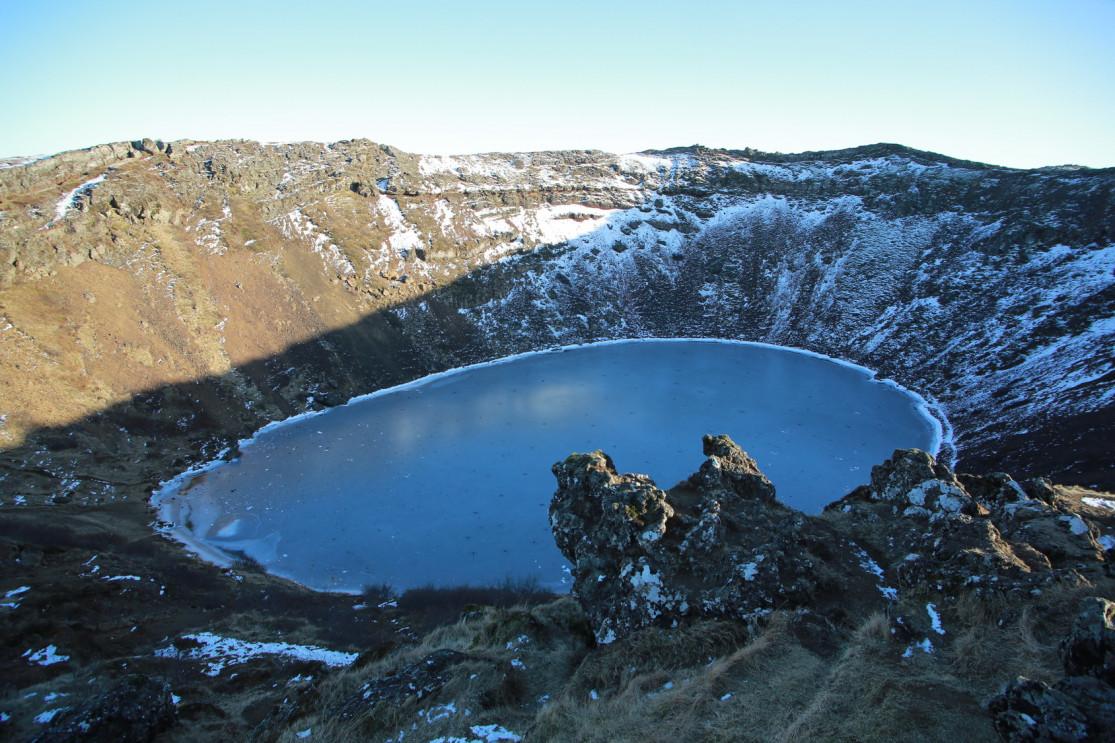
Kerið is a spectacular crater in southern Iceland, more specifically what is known as a maar, which means there is a pool of water at its center. The Grímsnes region is known for its three impressive eruption sites: Kerið, Seyðishólar and Kerhóll.
Kerið is at the tip of a chain of small craters called Tjarnarhólar, the system covering approximately 12 km². As is characteristic of the chain, Kerið is made up of striking red volcanic rock.
Kerið's Origins

Specialists were for many years convinced Kerið was born of an explosive volcanic eruption; however, the research pointed to a small magma reservoir under the crater which caused a subsidence at its base.
Located in the middle of a 54 km² lava field, in southern Iceland between Hveragerði and the Golden Circle, Kerið is over 3,000 years old.
Kerid: A water-filled maar
Edited by Luc DIEBOLD @fotolia
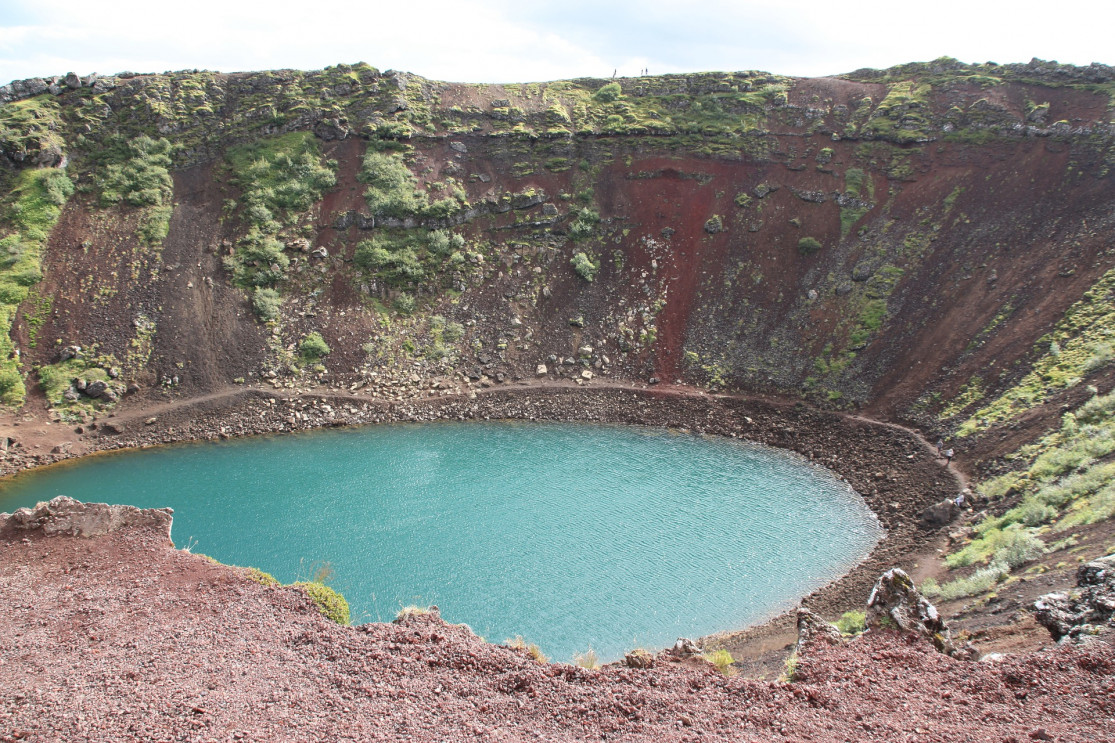
This crater is all about the small lake at its heart with its ocean blue tones as it is quite deep in fact, 7 to 15 m. This is what we call a maar. Oval in shape, it is approximately 270 m long and 170 m wide, with a total depth of approximately 55 m.
The lake is fed by groundwater rather than a stream, which is why its depth changes with the season and the rainfall. As for the age of the crater, estimates range from 3,000 to 6,500 years; the official Kerið website gives about 6,500 years.
Although the crater has rather steep walls, one flank has a more accessible slope so you can get quite near to the lake, and there is even a series of steps, so you can descend more safely.
On site, a path runs all the way around the crater rim and a gravel staircase leads down to the water. Allow 30 minutes to 1 hour for the visit. The site is not wheelchair accessible and may be difficult for visitors with limited mobility, but the view from the rim is well worth the stop even if you skip the stairs. Restrooms are on site and included in the entrance fee. Guide to Iceland reports a small food truck in the car park, but it is still wise to bring water and snacks.
While swimming is not prohibited, the water is very cool (around 15°) and given the number of hot springs Iceland has to offer, might as well keep your swimming trunks dry for a warmer alternative!
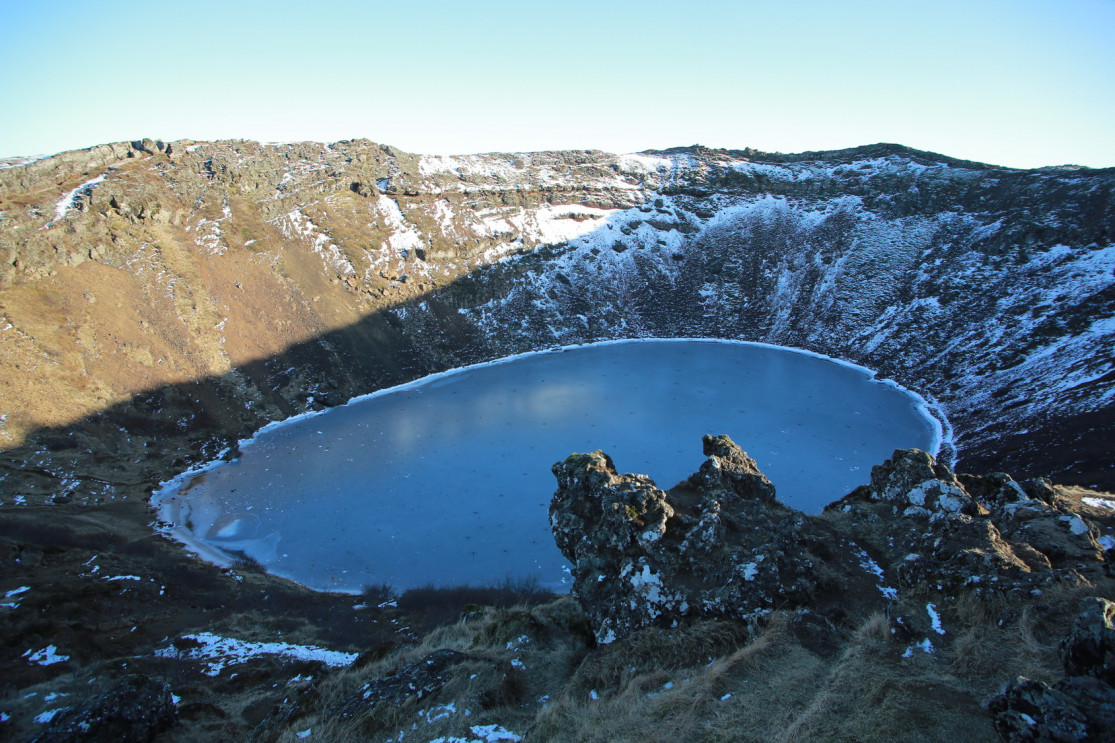
What is remarkable on site are the contrasts and colors. The volcanic rock that surrounds the crater is bright red and sprinkled with green moss in summer. The moss disappears in winter, and is then in gradients of black and white as snow collects on the flanks of the crater.
When to go and how to get there
In practical terms, the site is very easy to get to, and the journey can be undertaken with any type of vehicle. It is located along Road 35 in the Golden Circle region, and only 45 minutes from Reykjavík (60 km).
Bus line 72/73 stops just in front (the Stræto company departing from the capital).
The car park is located a few steps from the crater, and for several years now visitors have been charged 700 ISK to access the site. The crater is located on private land. Payment is made by card at the booth near the parking area. There are no fixed opening hours: the site is open during daylight, so hours vary with the season. Groups of 10 or more people must book through the website’s group reservation system.
The roads to reach the Kerið crater are regularly open in winter, and it is therefore possible to go see the magnificent small lake at this time of the year. Moreover, the small lake inside is often frozen over and with the snow-covered slopes it's quite a sight.
In any season the crater is very exposed to the wind, so bring a windproof and waterproof jacket and shoes with good grip, especially if you plan to go down to the lake. In winter the paths can be icy, and crampons or ice grips are useful. Days are short (roughly 4 to 5 hours of daylight between November and February), so plan your visit accordingly. It is also best not to walk on the frozen lake, as the ice thickness is unknown.
In summer, the crater is a tourist hotspot, especially since it is considered to be part of the famous Golden Circle and many organized excursions stop there, so time your visits in the late afternoon or early morning.
With this in mind, if you are not driving during your trip to Iceland, many tour companies offer day trips to visit the Golden Circle and Kerid:
What to see near Kerið
Kerið is about 30 km from both Thingvellir and Geysir, which makes it an easy stop on the Golden Circle. Nearby you can also plan:
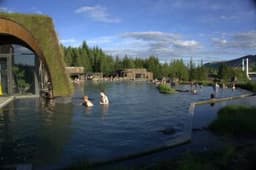
- a soak at the Secret Lagoon in Flúðir, one of the oldest swimming pools in the country;
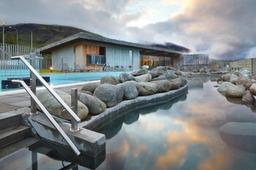
- the hot pools of Laugarvatn Fontana on the lake shore, with its geothermal rye bread baking;
- the Sólheimar ecovillage, with its craft and organic goods shops;
- the Friðheimar farm, a restaurant inside a tomato greenhouse.